Exploring Correlations Between User Activity Patterns and Reward Tier Advancements Across Hybrid Digital Gaming Platforms
Henrik Meier · Nov 24, 2026
Exploring Correlations Between User Activity Patterns and Reward Tier Advancements Across Hybrid Digital Gaming Platforms
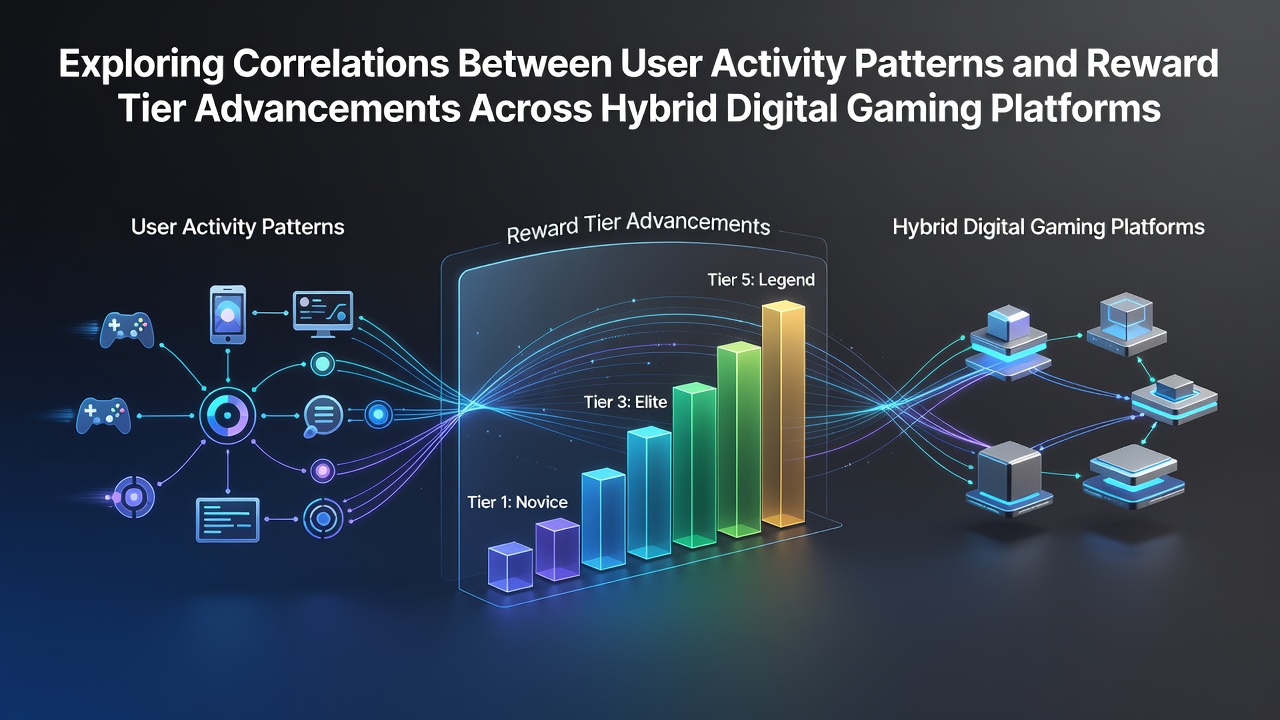
Hybrid digital gaming platforms combine mobile, desktop, and live dealer interfaces, creating environments where user activity patterns connect directly to reward tier advancements. Observers note that login frequency, session duration, deposit volume, and game variety often align with progression through loyalty structures, while data from multiple regions shows measurable links between these behaviors and tier status changes.
Activity Metrics That Drive Tier Movement
Research indicates that consistent daily logins correlate with faster advancement from base to mid-tier rewards, particularly when sessions extend beyond thirty minutes and include both slot and table game interactions. Figures reveal that players who deposit at least three times per month advance to higher tiers at rates up to forty percent greater than those with single monthly deposits, according to aggregated platform reports from North American and European operators. Those who study these systems find that switching between game categories within a single session further accelerates tier climbs, because algorithms track diversity as an engagement signal.
Patterns in Deposit and Play Behavior
Transaction speed and amount combine to influence tier eligibility windows, with analysts observing that users completing deposits under two minutes maintain higher activity streaks that translate into quicker reward upgrades. Data shows November 2026 reporting cycles captured a notable uptick in tier advancements among players who maintained weekly deposit consistency above a set threshold, while those with irregular funding patterns remained at lower levels. Experts tracking cross-border platforms report that mobile-first users exhibit stronger correlations between rapid deposits and tier movement compared with desktop-dominant participants.
What's interesting is how game type selection intersects with these metrics. Players who rotate between slots, live roulette, and blackjack within hybrid environments reach premium tiers sooner than single-format participants, because platforms assign weighted points across categories. Researchers discovered that such rotation also sustains longer overall session lengths, reinforcing the activity patterns that feed into tier calculations.
Regional Data and Platform Comparisons
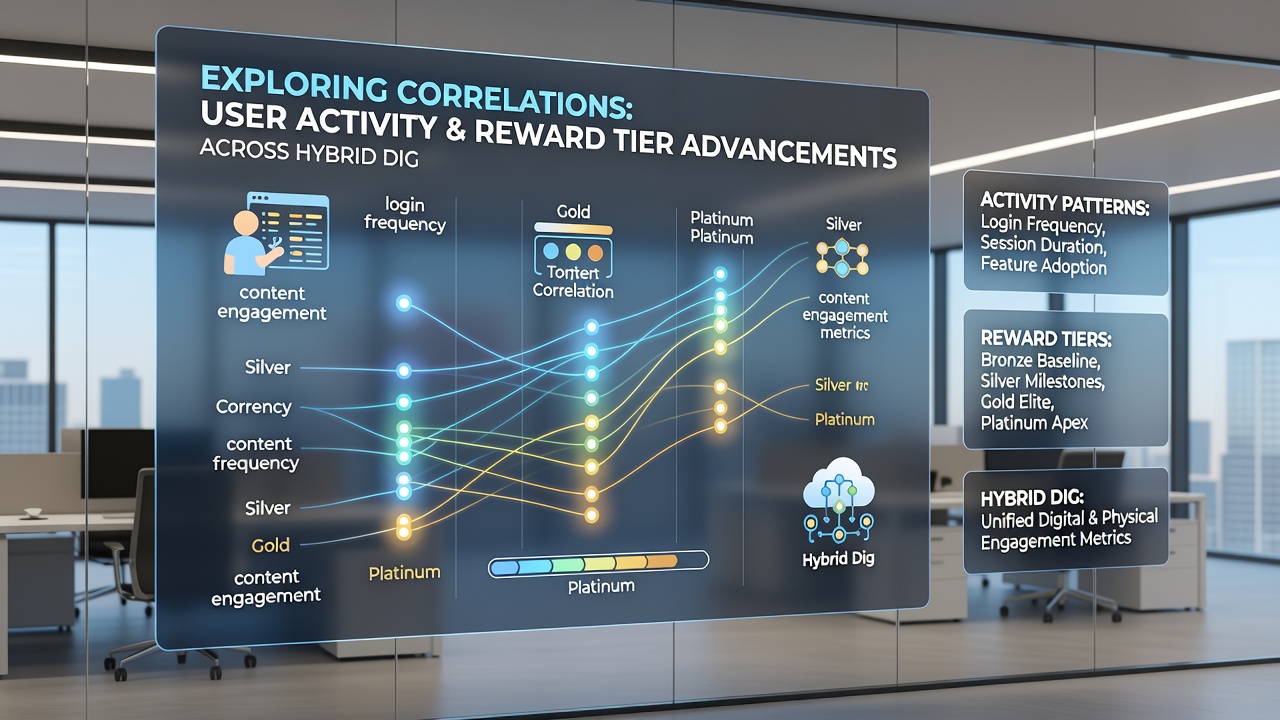
Reports from the American Gaming Association highlight that hybrid operators in regulated U.S. markets recorded measurable tier progression tied to combined mobile and desktop activity in late 2026. Meanwhile, Canadian provincial data indicates similar patterns, where users who engaged with both online slots and live dealer tables advanced tiers at elevated rates. Australian regulatory summaries released in November 2026 further documented that deposit frequency paired with multi-device access produced the strongest statistical links to reward upgrades across monitored platforms.
Take one analysis from a European research consortium that examined thousands of accounts and found session overlap across devices predicted tier advancement more reliably than total spend alone. Observers note that this holds true even when controlling for overall volume, because platforms interpret device switching as a sign of deeper platform integration. Those who've examined the datasets observe that loyalty algorithms often assign bonus multipliers during such transitions, accelerating the visible tier changes users experience.
Retention Signals Within Tier Structures
Longer-term data reveals that once users reach mid-tier status, continued activity patterns shift toward specialized game access rather than raw volume. Platforms respond by unlocking hybrid variants, such as live slots or exclusive table rooms, which in turn sustain engagement levels. Studies from academic sources including the University of Nevada's gaming research group show that this feedback loop strengthens correlations between sustained activity and further tier gains, especially among users who maintain consistent weekly play across multiple formats.
Yet patterns differ by demographic clusters, with younger users showing quicker tier climbs linked to mobile deposit speed while older cohorts advance through steady desktop session lengths. November 2026 platform updates incorporated these distinctions into tier algorithms, allowing more granular tracking of activity types. Industry organizations tracking these changes report that such adjustments produced clearer correlations between specific behaviors and reward advancements without altering overall progression rates.
Conclusion
Correlations between user activity patterns and reward tier advancements on hybrid digital gaming platforms rest on measurable factors including login consistency, deposit timing, game variety, and device switching. Data from U.S., Canadian, and Australian sources demonstrates these links persist across reporting periods, with November 2026 figures reinforcing established trends. Platforms continue refining algorithms that translate these patterns into tier movement, creating environments where engagement metrics directly shape reward outcomes for participants worldwide.